Fishing with Bednets

What the Research Shows
For years, bednets have been called the number one weapon against malaria. The logic is simple: stop mosquito bites, stop transmission.
3 billion insecticide-treated nets have been distributed, yet malaria kills more than 600,000 people each year — and it’s getting deadlier every year.
Traditional hanging nets work great in theory – but only with perfect use.
They must be hung, tucked, and maintained correctly every single night. In real life, that rarely happens.
The Problem No One Wants to Admit
A recent study published in the National Institutes of Health highlights a critical issue: ownership of hanging nets does not guarantee usage.
When nets are not used
The current hanging net design was not built for ease of use or real-world conditions. When nets are inconvenient, people adapt—or abandon them.
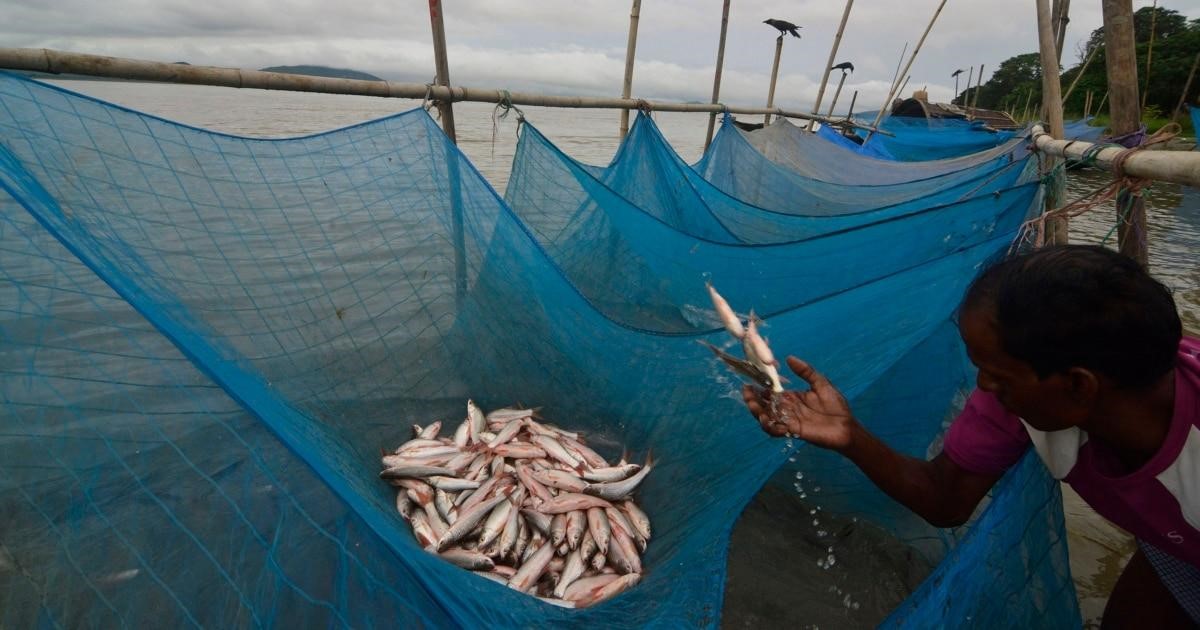
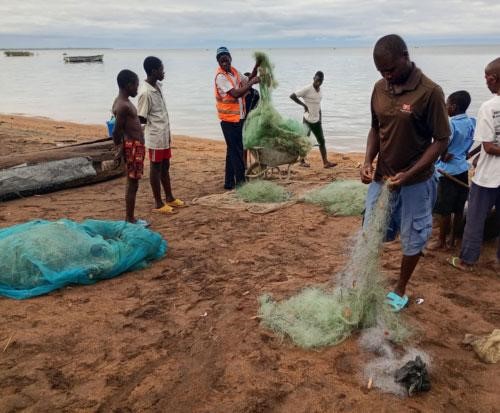
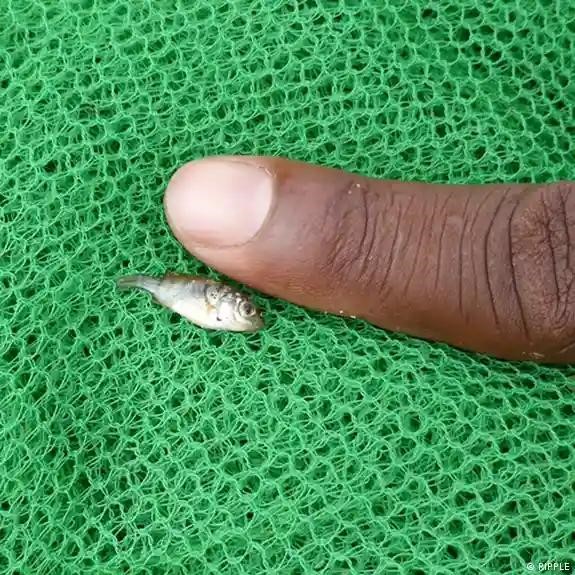
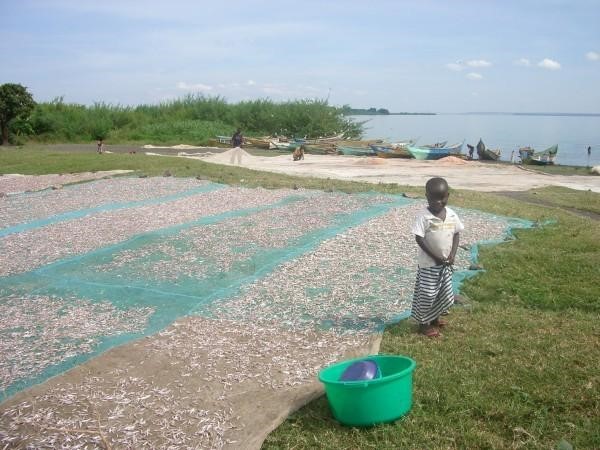
Many are repurposed for fishing, where fine mesh catches even juvenile fish. This removes protection entirely while harming ecosystems.

A Simple Truth
A bednet only works if it is used. I often read of ownership rates exceeding 80+ but consistent nightly use is dramatically lower – often dropping sharply in real-world conditions. (15% of owners is common but there are reports as low as 3%.)
A Design Problem, Not a Funding Problem
The current hanging net design is more than 8 decades old and has barely evolved.
For years, the response has been more increasing funding, education and distribution. Yet the core issue remains unaddressed:
A bednet only works if it is used.
This reframes the challenge entirely:
- Not just distribution → consistent use
- Not just cost per net → cost per life saved
- Not just funding → human-centered design
The Opportunity
The breakthrough will not come from doing more of the same. It will come from better the design — built to match the way people live.
If a bednet is intuitive, fast to set up, and comfortable, people will use it. And when usage rises, protection follows.